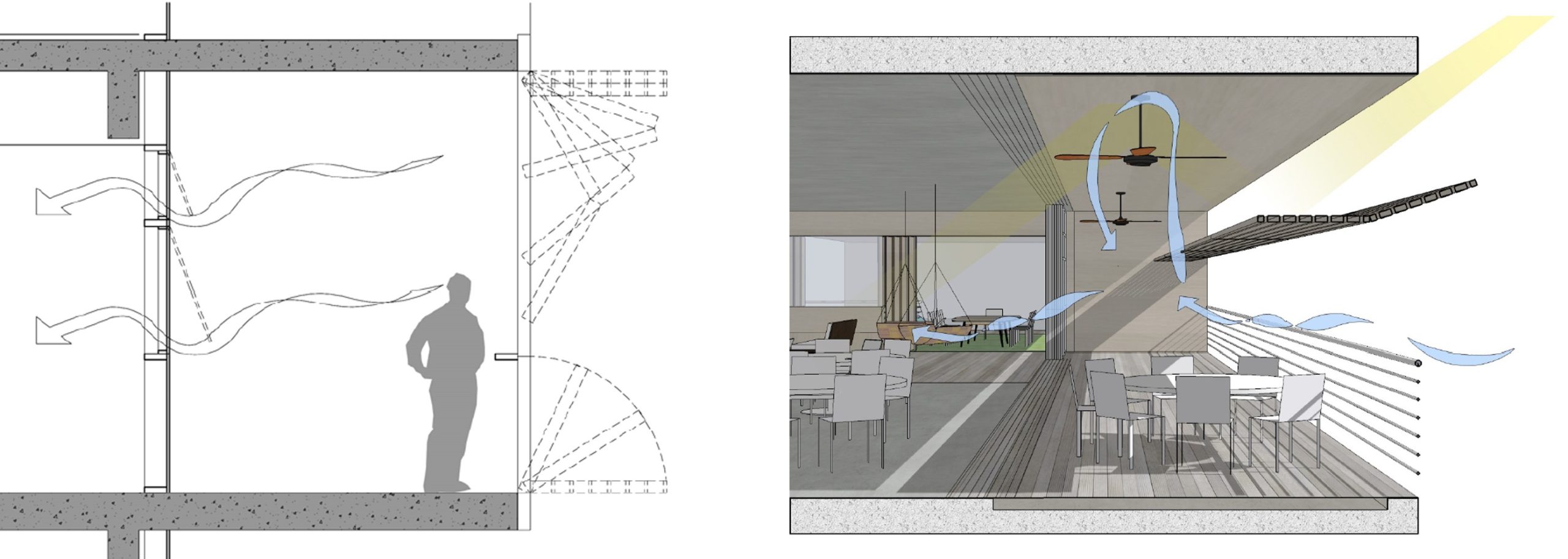
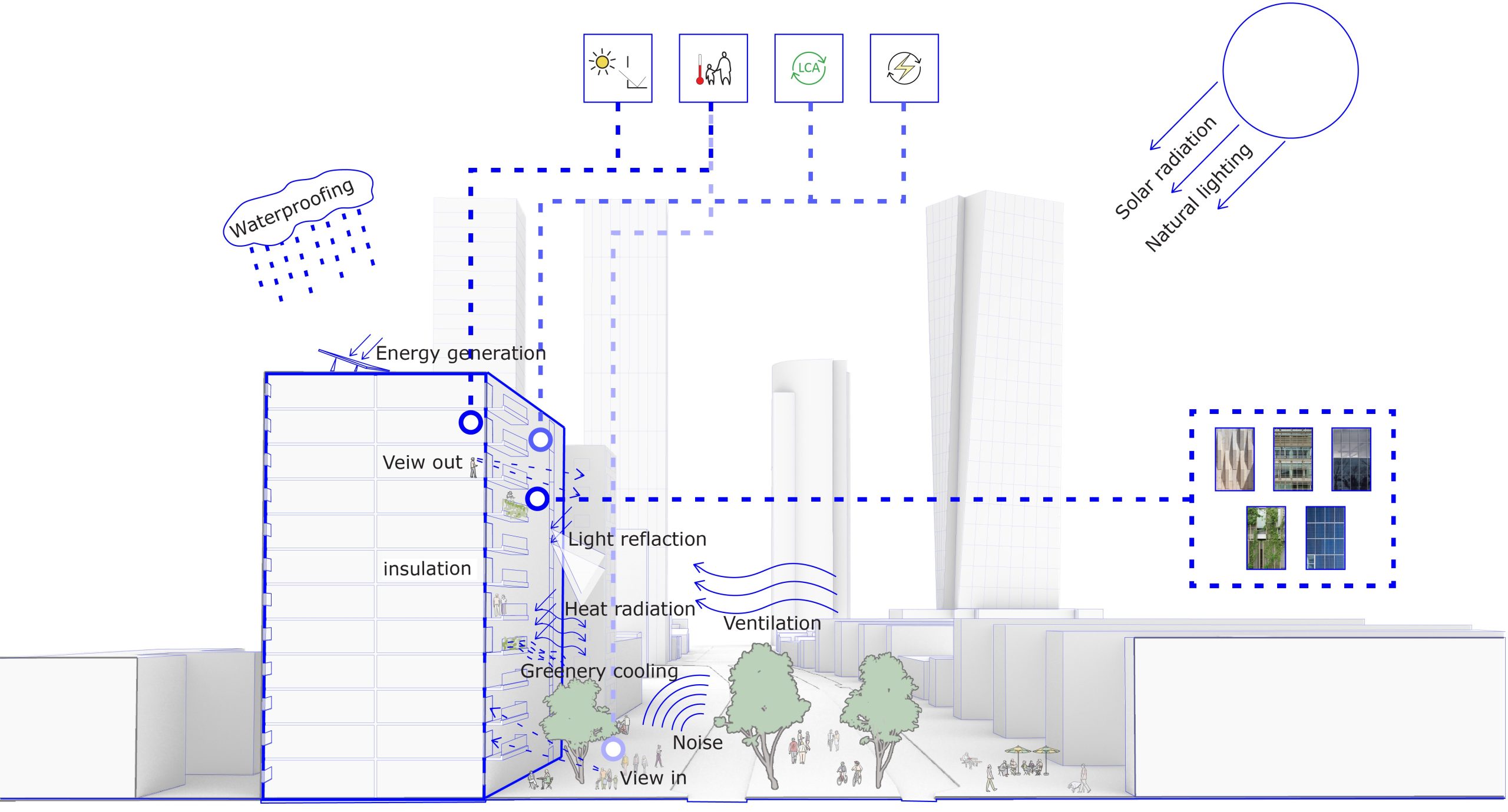
Smart building skins redefine the relationship between architecture, climate and technology. At EPDL, we investigate how façades perform in context-using reverse-engineering analytics to read existing buildings and reveal the design cultures that shaped them. These insights inform our pursuit of dynamic, microclimate-responsive and environmentally efficient envelopes. Through integrated teaching, research and our international Smart Skins Lecture Series, we advance data-driven approaches that position the building skin as a central driver of sustainable, context-aware design.
Teaching
Smart Skins in Reverse Engineering
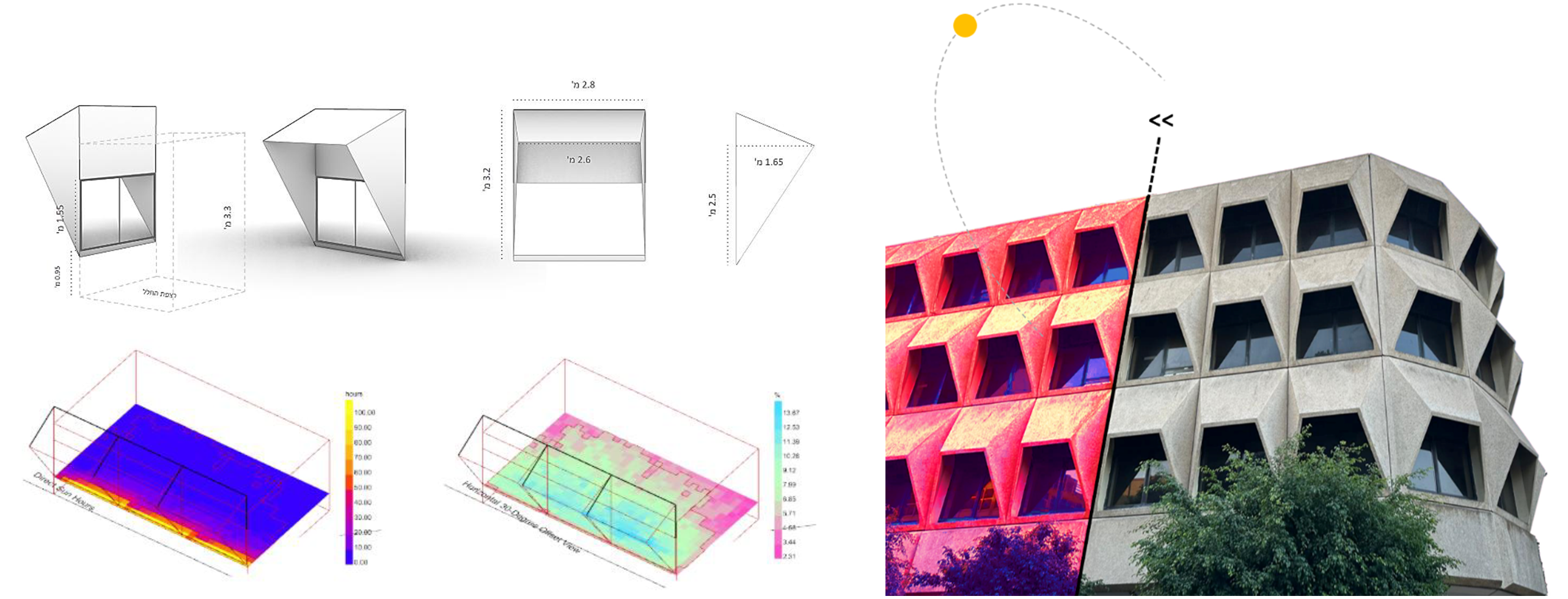
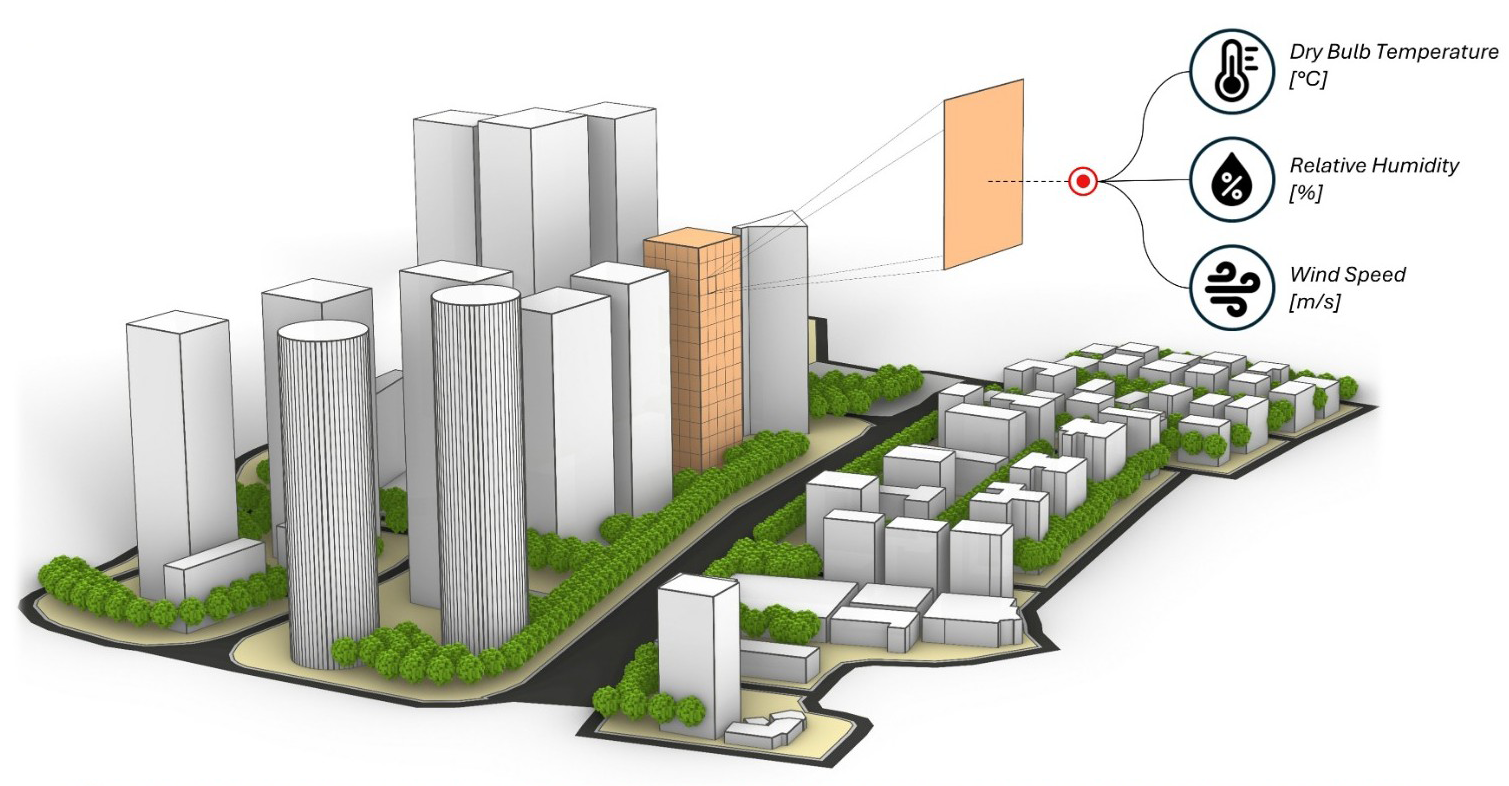
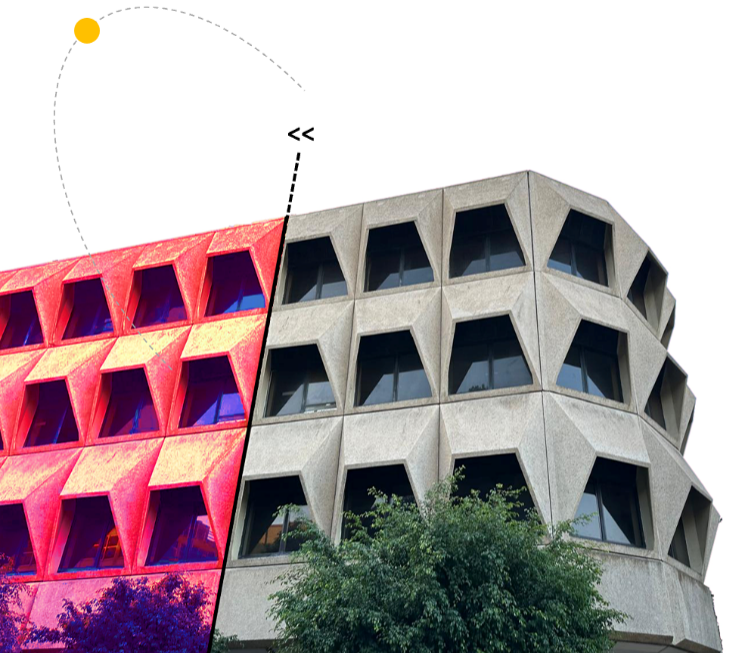
Smart Skins << in Reverse Engineering introduces students to performance-driven analysis of building envelopes. Through a combination of focused lectures, on-site observation and parametric simulations using Ladybug and Honeybee, the course develops the ability to read, quantify and interpret how façades respond to sun, climate and microclimate. Students reverse-engineer existing buildings to evaluate the environmental effectiveness of their shading, daylighting and energy strategies, and test improved alternatives through targeted, data-informed modelling. The course builds a rigorous foundation for integrating environmental reasoning into façade design in the digital era.
Thinking outside the glass box design studio
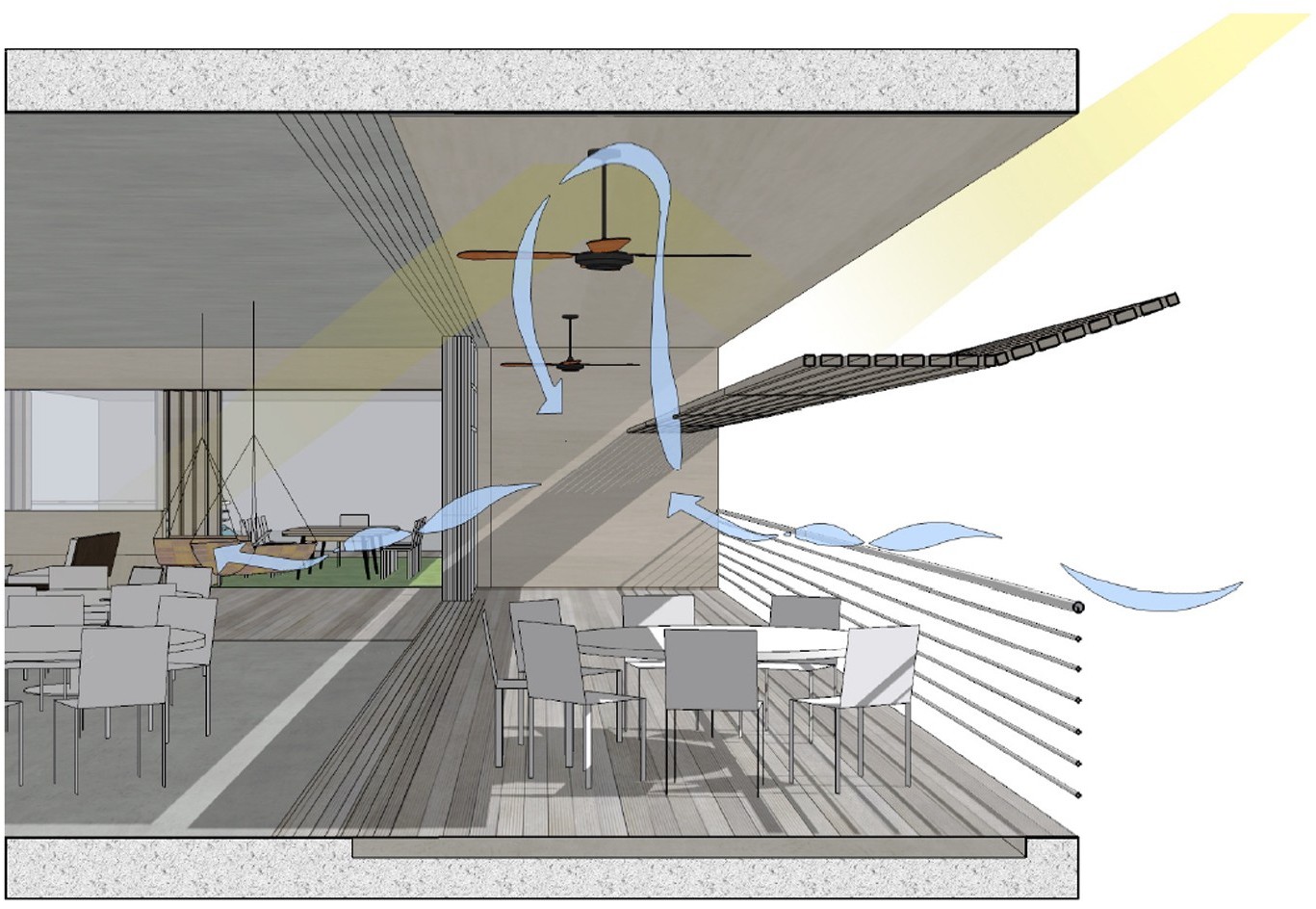
Thinking Outside the Glass Box is a design studio that challenges students to reimagine the environmental, spatial and cultural potential of existing office buildings in Israel. Centred on the adaptive reuse of 1960s–70s brutalist buildings, the studio explores how future work and living patterns, sustainability imperatives and local microclimates can inform new architectural strategies. Through site research, precedent analysis, expert lectures and iterative design work, students develop climate-responsive interventions that negotiate between contemporary workspace typologies, environmental performance and the architectural identity of the existing fabric. The studio positions façade adaptation as a catalyst for redesign and renewal strategies-proposing alternatives to the generic glass-box paradigm and articulating a more resilient, contextually rooted vision for Israel’s office buildings.
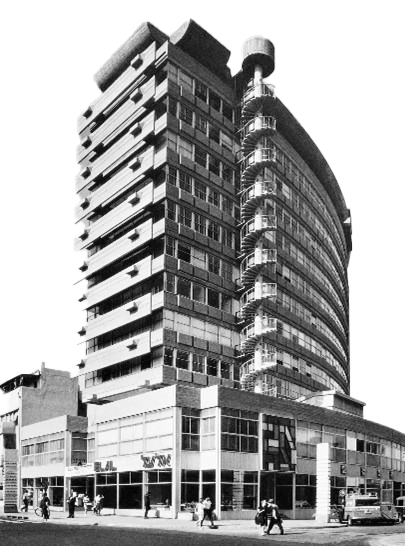
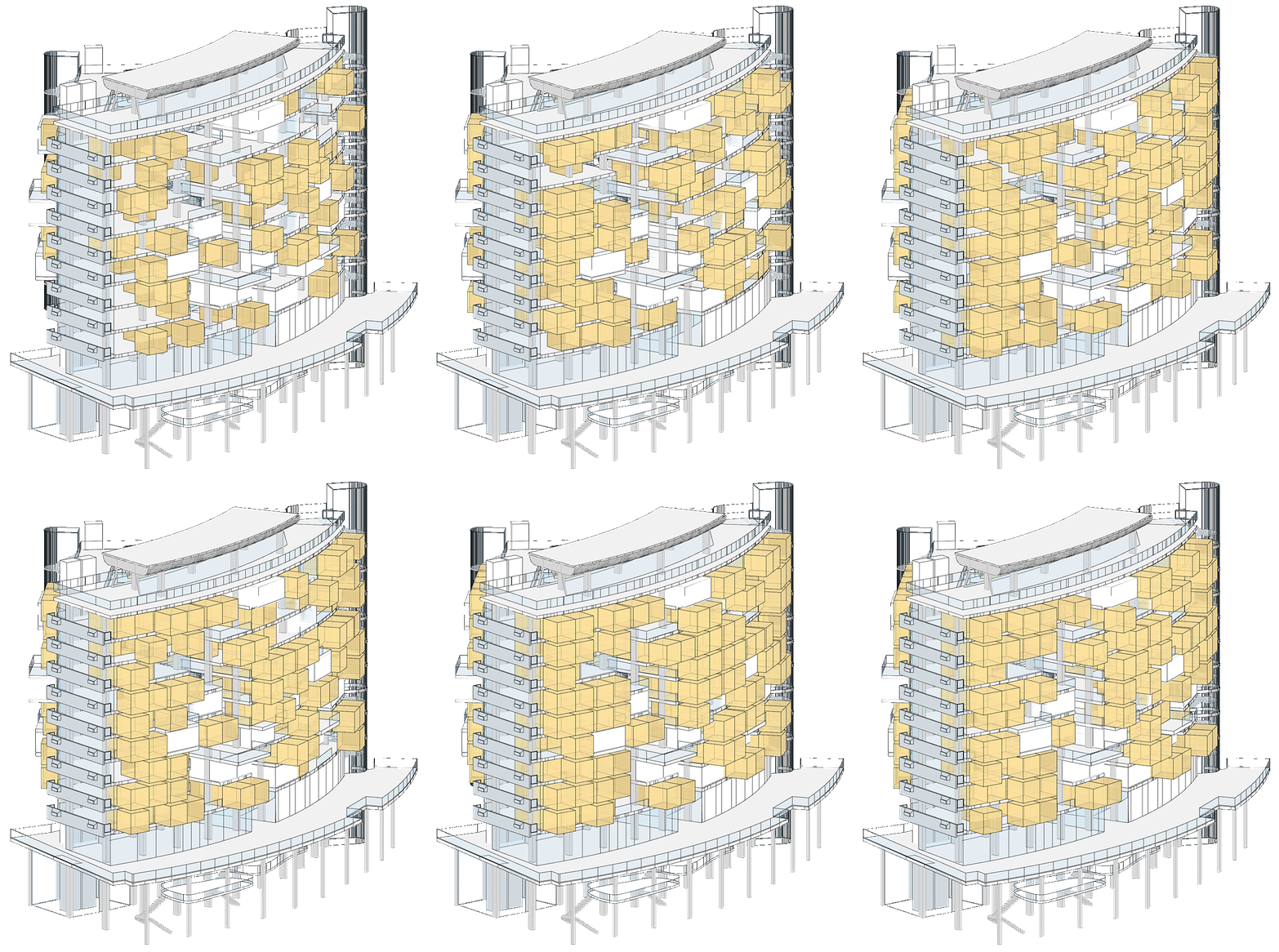
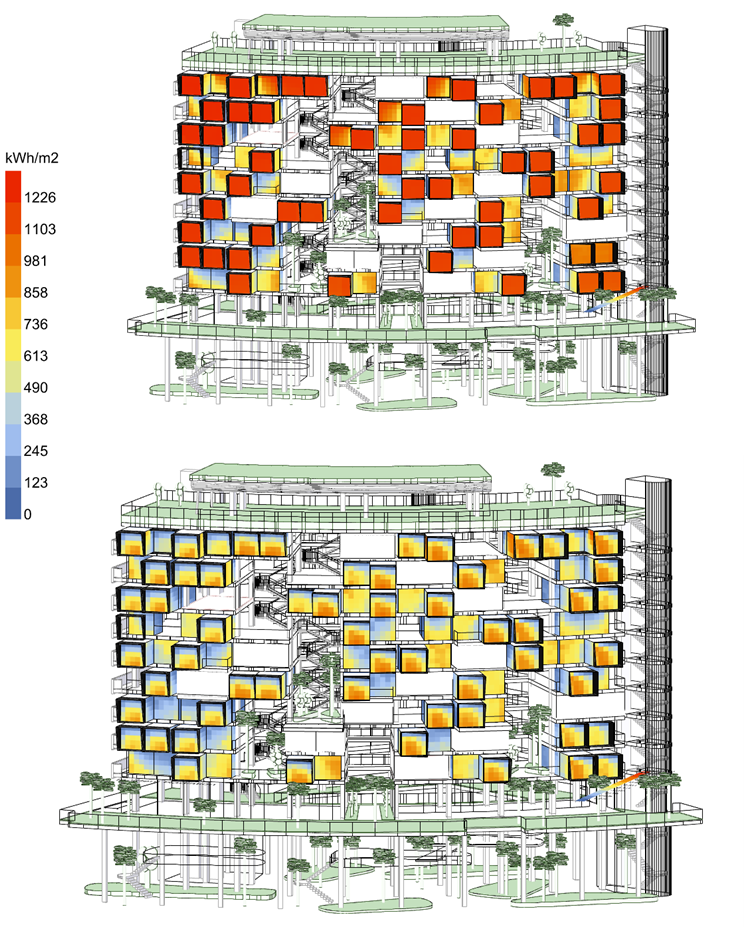
Studio project "AdapTLV", Mika Perlshtein
Related research projects
Outreach
Smart Skins Lecture Series
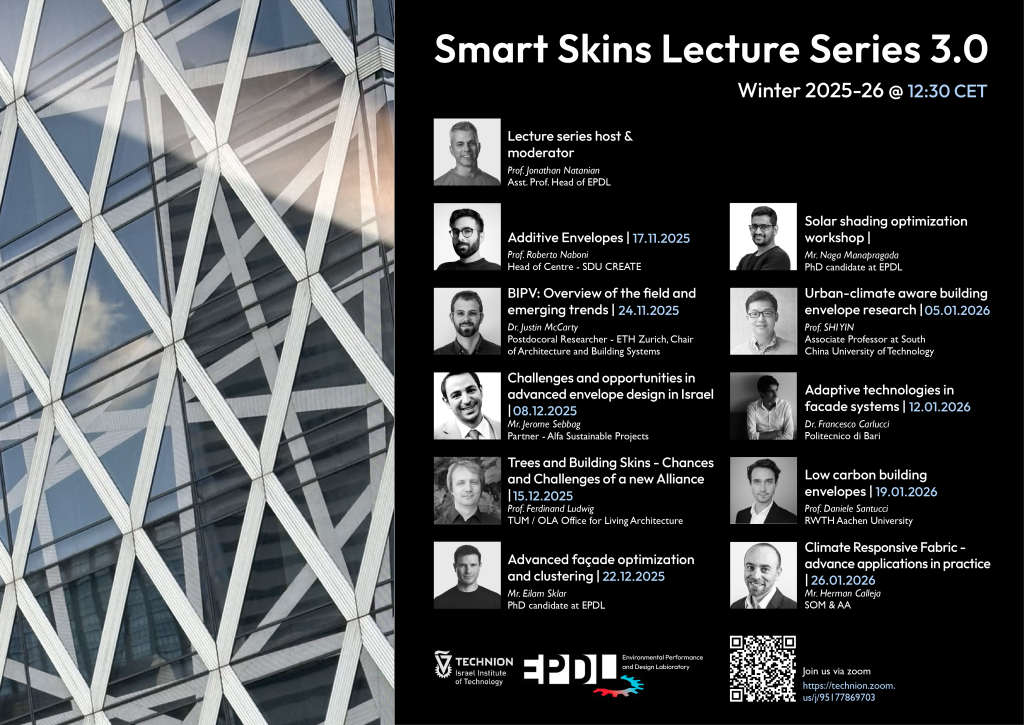
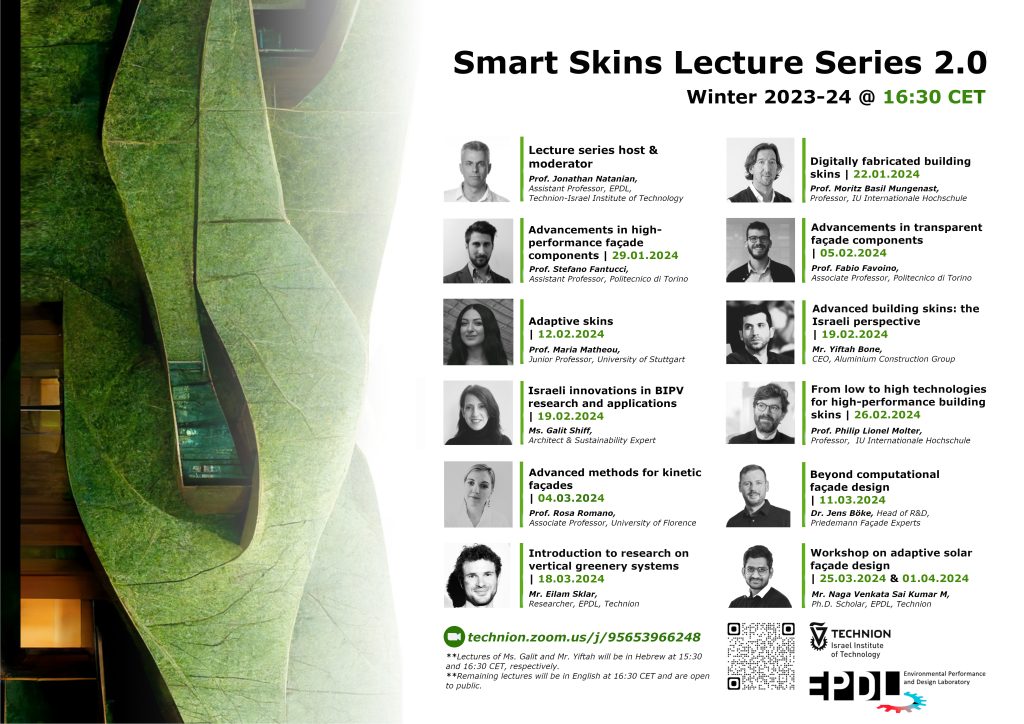
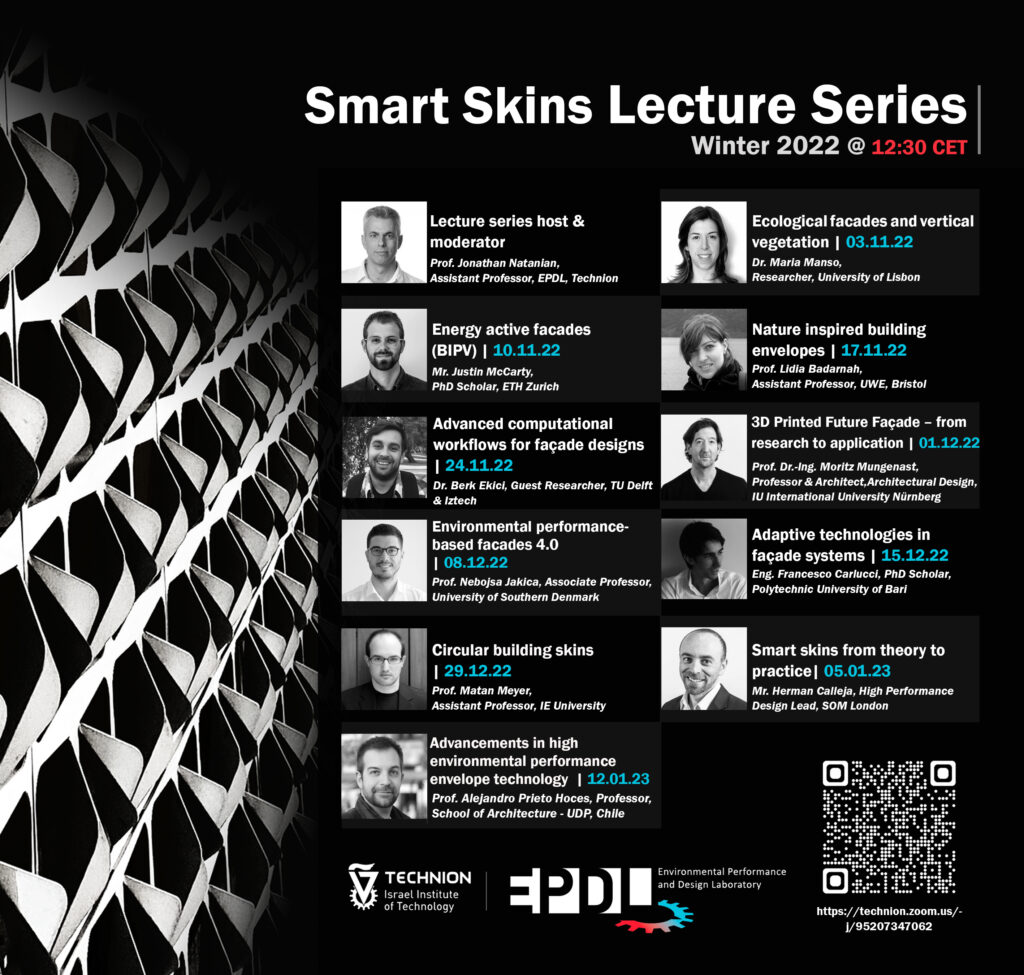
EPDL contributes to the international conversation on next-generation building envelopes through the Smart Skins Lecture Series, now in its third cycle. Developed as an extension of our theoretical Smart Skins course, the series brings together leading academics and practitioners to discuss emerging technologies, climate-responsive strategies and innovative façade design practices. By curating this recurring platform, we help shape a global stage for dialogue on advanced building skins, connecting students, practitioners and academic partners to the forefront of international research and practice.
Smart building skins redefine the relationship between architecture, climate and technology. At EPDL, we investigate how façades perform in context-using reverse-engineering analytics to read existing buildings and reveal the design cultures that shaped them. These insights inform our pursuit of dynamic, microclimate-responsive and environmentally efficient envelopes. Through integrated teaching, research and our international Smart Skins Lecture Series, we advance data-driven approaches that position the building skin as a central driver of sustainable, context-aware design.
Teaching
Related research projects


Outreach