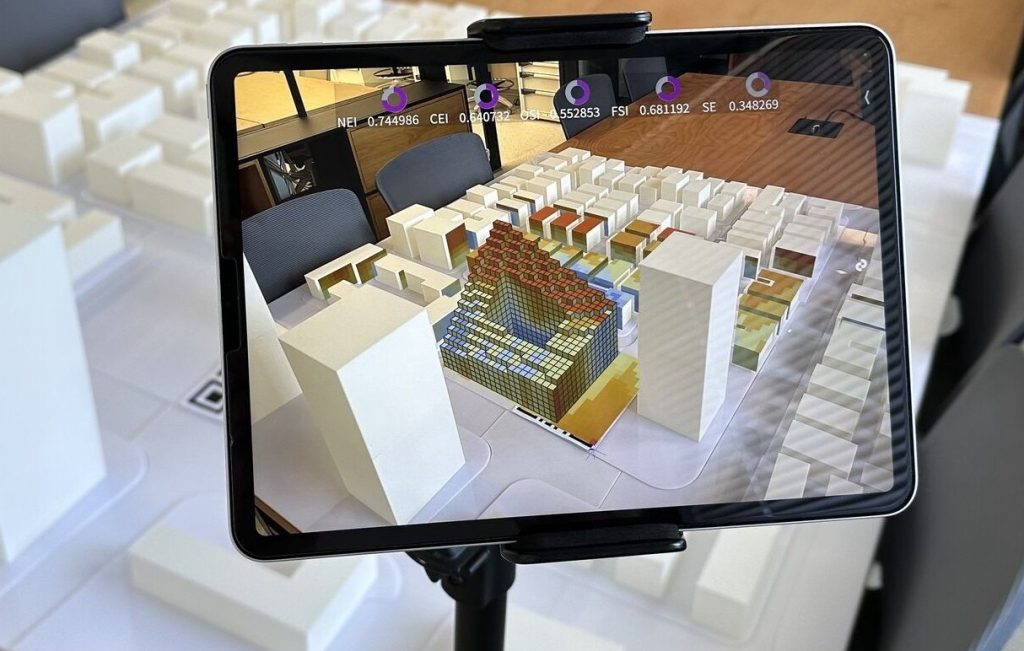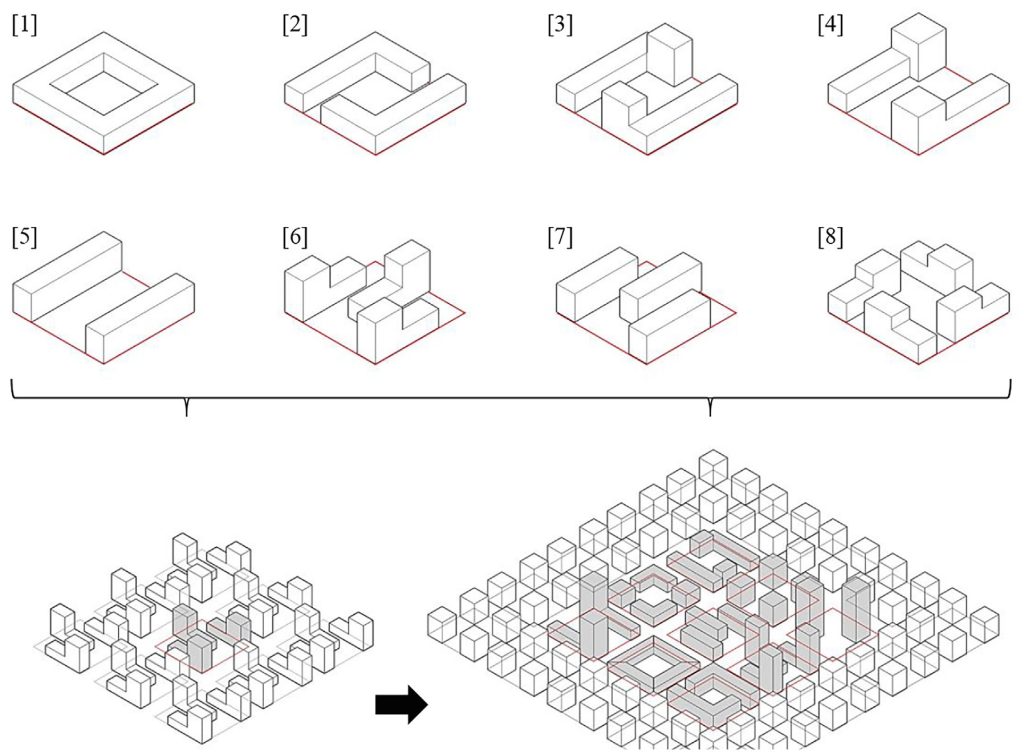

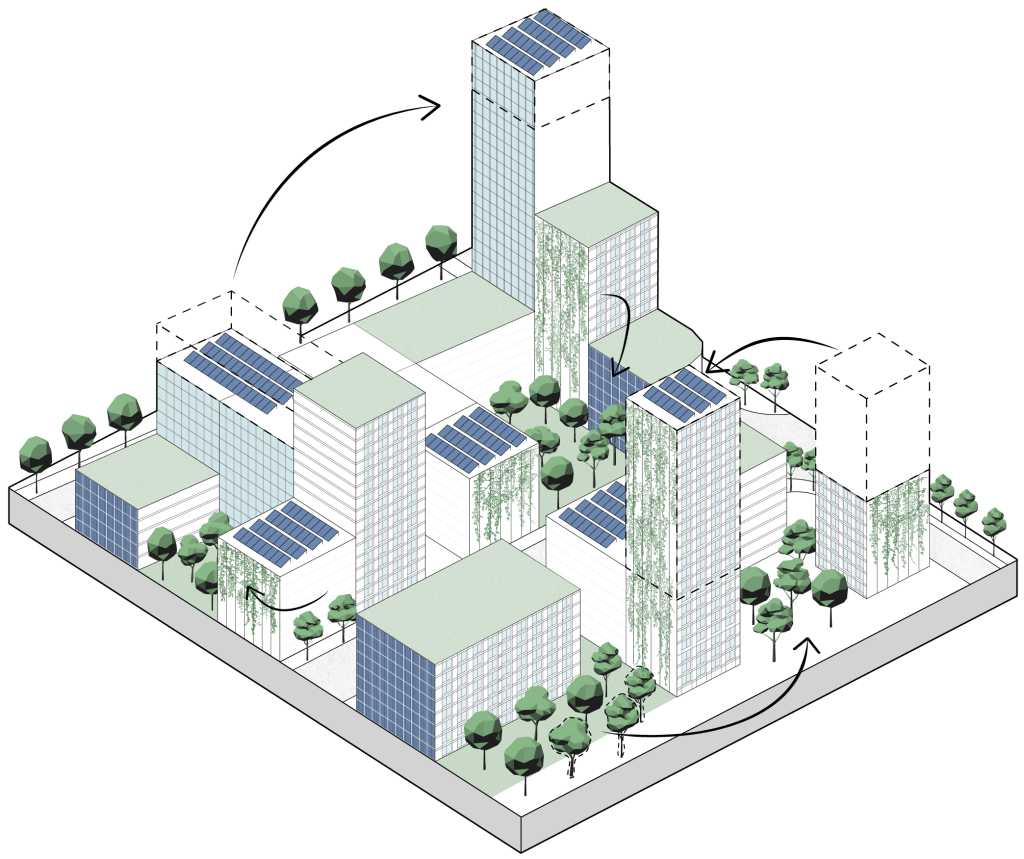
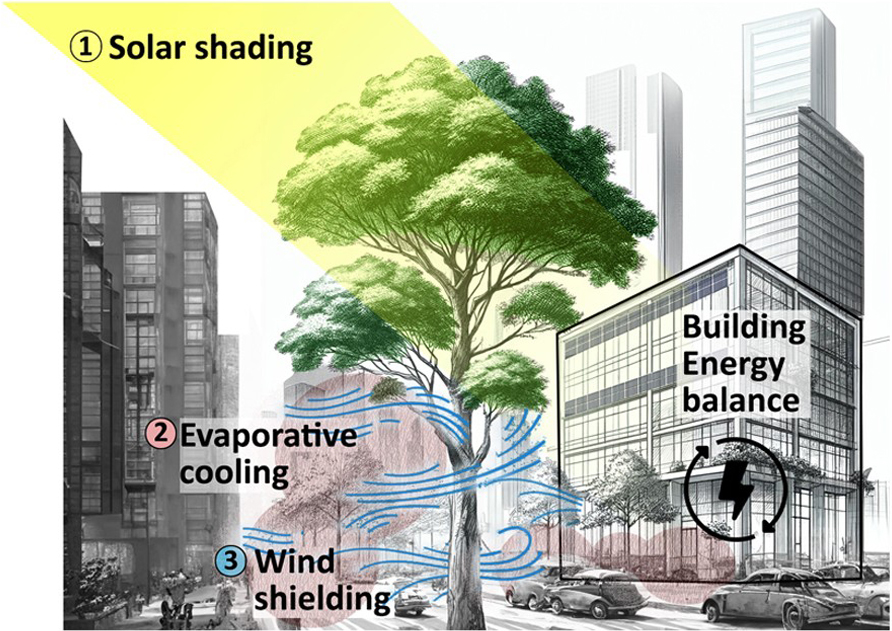
EPDL develops holistic, data-driven methodologies that bridge urban environmental engineering and urban design. We integrate predictive modelling, multi-criteria environmental analytics and advanced computational tools to understand how building typologies, Nature-Based Solutions and present-future microclimates interact. By carefully evaluating these trade-offs, we advance environmentally intelligent, resilient and context-aware strategies for shaping future urban environments.
Teaching
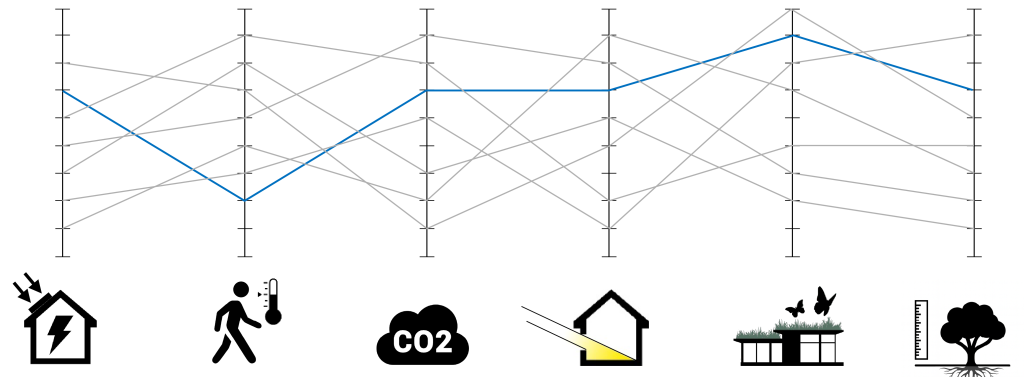
Climatic aspects in urban design
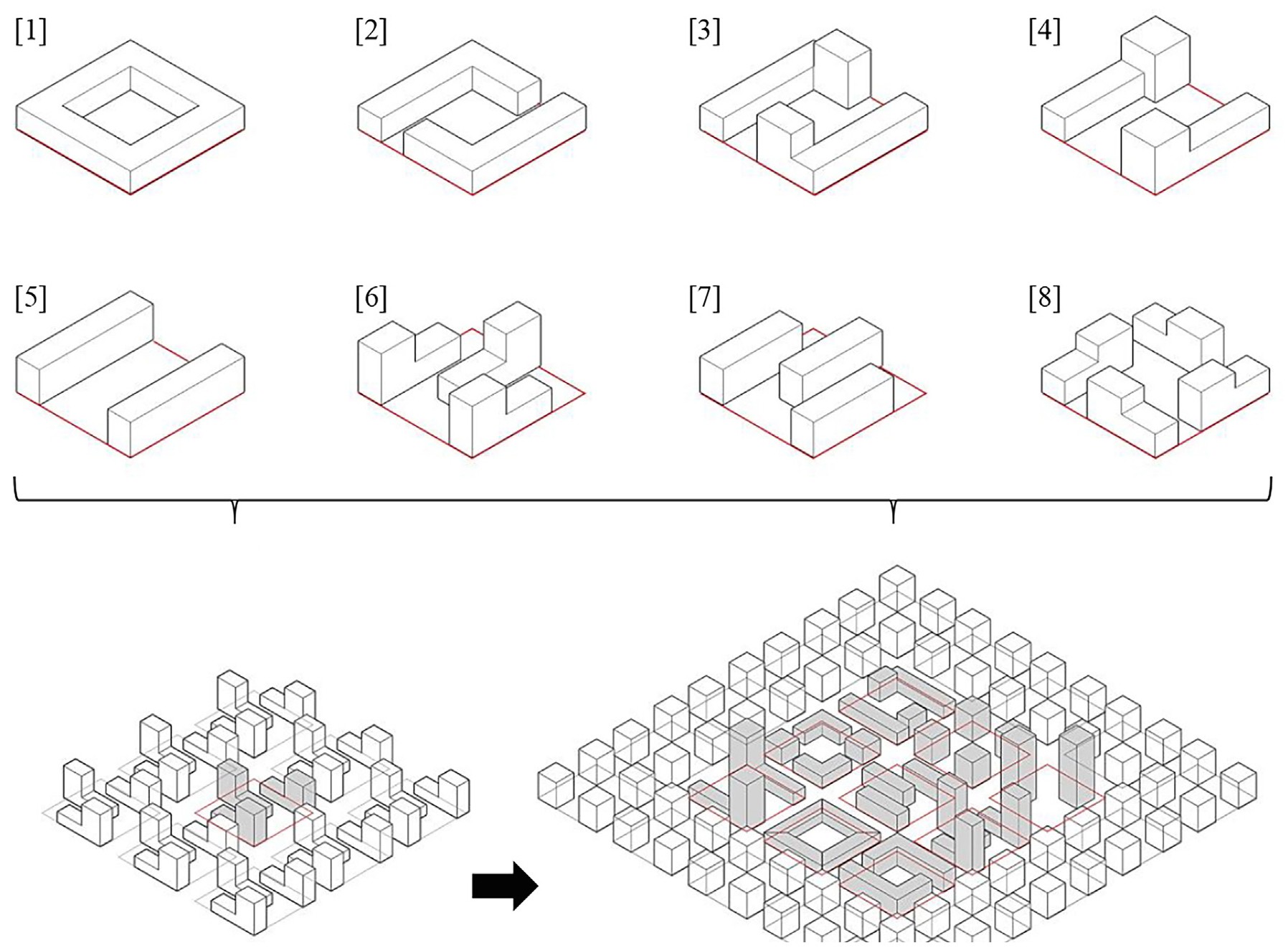
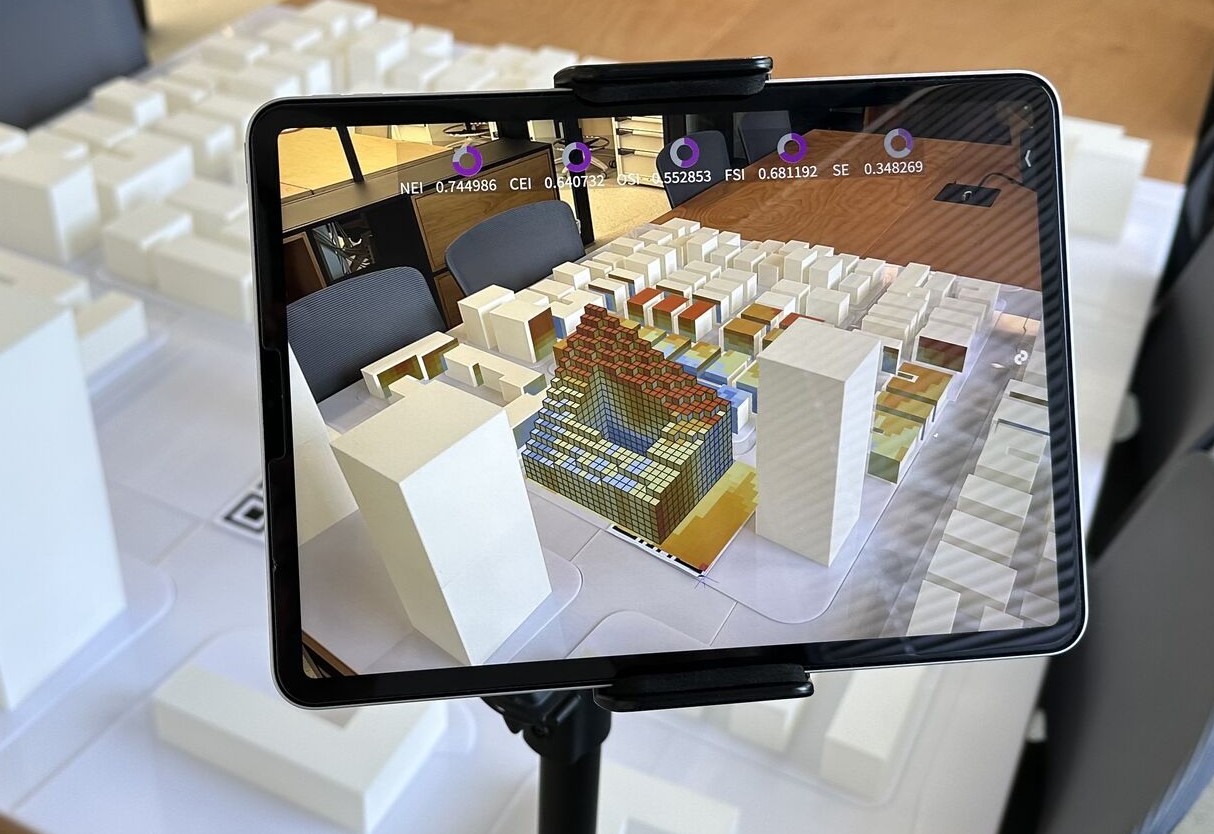
Climatic Aspects in Urban Design introduces students to performance-driven evaluation of the urban block, focusing on how microclimate, energy use and environmental quality shape early design decisions. Through lectures, precedent studies and parametric simulations using Ladybug Tools, students analyse solar potential, energy balance, daylight availability, wind behaviour and future-climate scenarios at neighbourhood scale. They also engage with optimisation workflows to explore trade-offs between multiple environmental criteria. The course equips students with a holistic framework for balancing density, environmental performance and spatial quality in climate-responsive urban design.
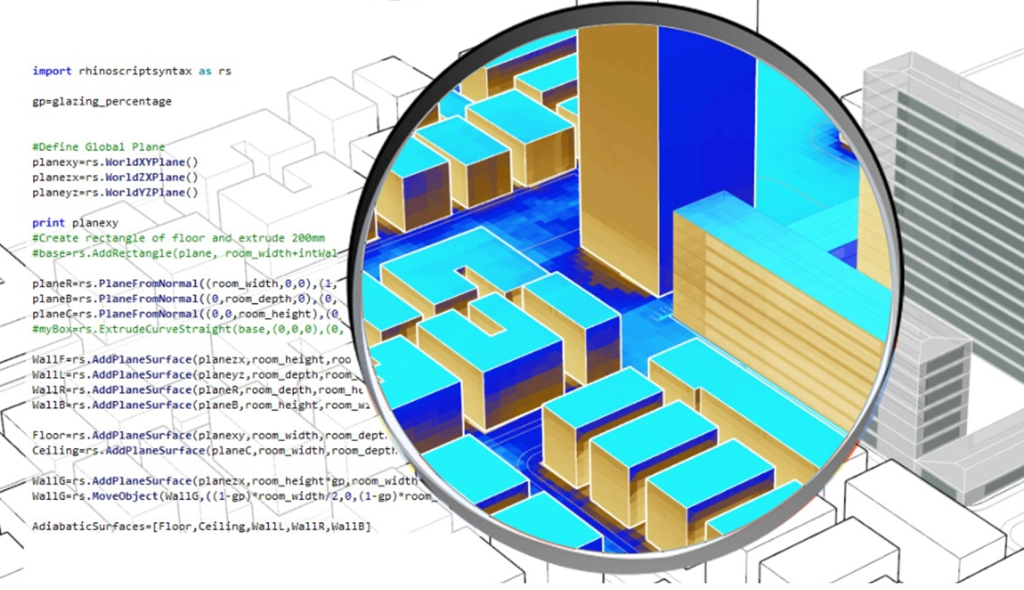
Block 2020_30_50 design studio
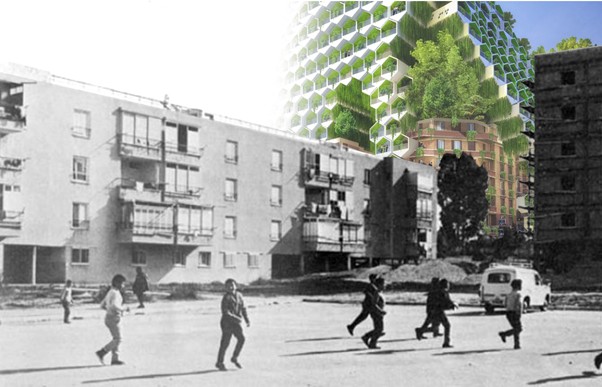
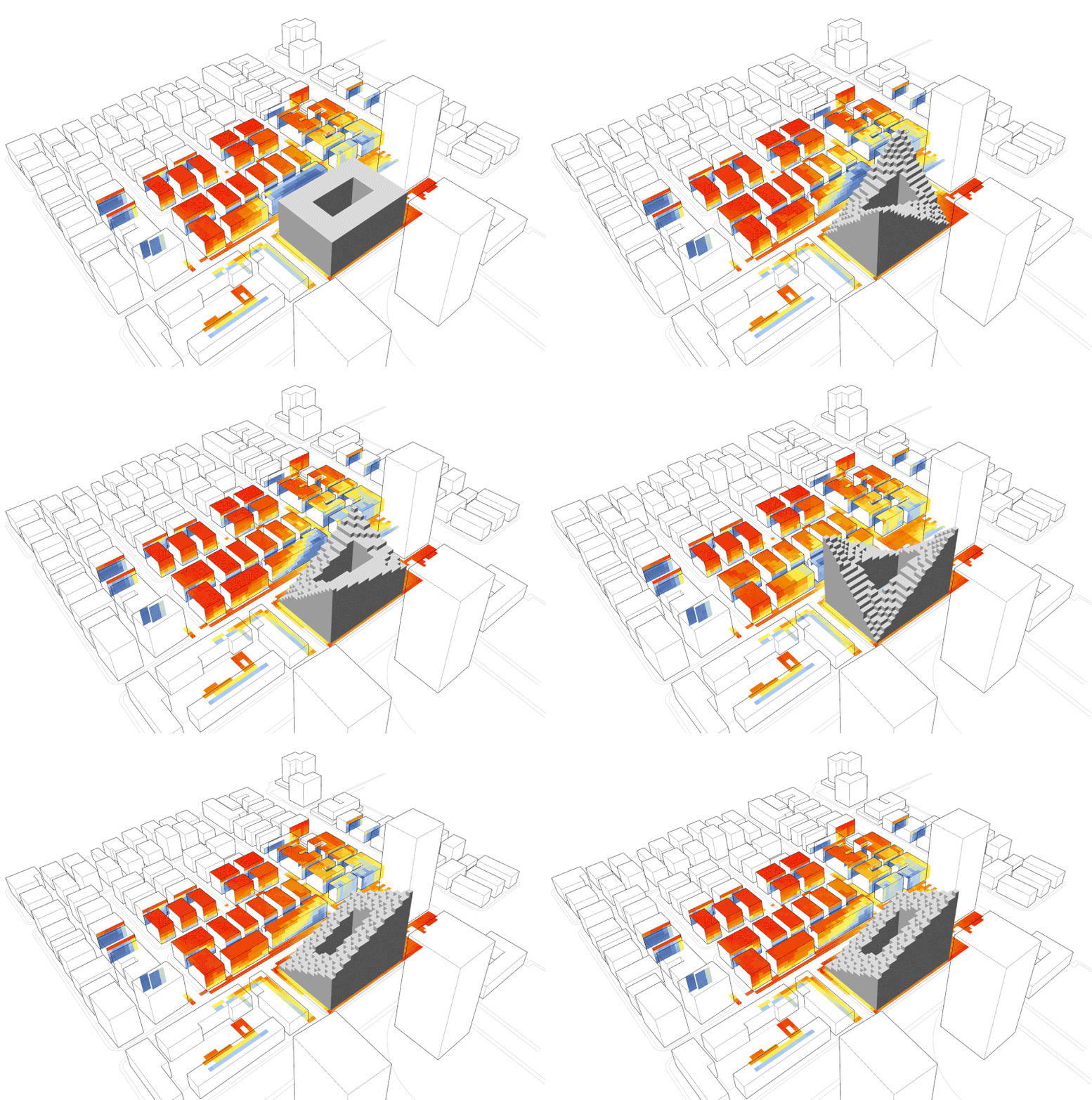
BLOCK 2020_30_50 rethinks the Israeli urban block through the lens of environmental intelligence and future climate challenges. Working with real sites and demographic trajectories for 2030 and 2050, students develop spatial scenarios that negotiate density, social fabric, environmental performance and identity at multiple scales-from building form to neighbourhood networks. Performance analytics guide the process: solar access, shading, microclimate behaviour, sky view, energy balance and mobility conditions are modelled continuously to inform design decisions. The studio cultivates an evidence-based framework for resilient and adaptable urban forms that support sustainable living in Israel’s evolving cities.
Related research projects
Outreach
Urban Environmental Intelligence 1.0
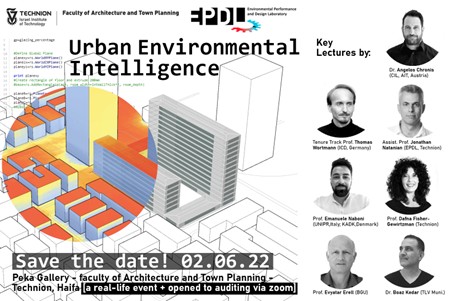
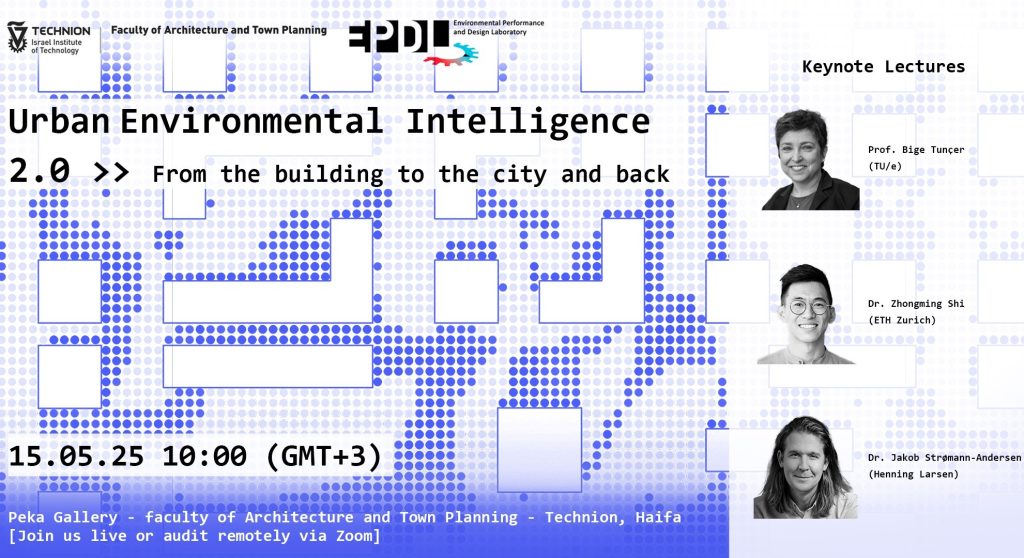
The Urban Environmental Intelligence (UEI) symposium and knowledge hub positions EPDL within the global dialogue on data-driven and climate-responsive urbanism. The platform explores how environmental analytics, AI-driven modelling and designer agency can guide more informed urban design decisions. Publicly broadcasted and widely attended, UEI events draw an international audience and feature keynote contributions from leading experts-including Prof. Emanuele Naboni, Prof. Thomas Wortmann, Prof. Bige Tuncer, Dr. Zhongming Shi, Dr. Jakob Strømann-Andersen and Angelos Chronis-establishing a shared space for advancing resilient and regenerative urban futures.
EPDL develops holistic, data-driven methodologies that bridge urban environmental engineering and urban design. We integrate predictive modelling, multi-criteria environmental analytics and advanced computational tools to understand how building typologies, Nature-Based Solutions and present-future microclimates interact. By carefully evaluating these trade-offs, we advance environmentally intelligent, resilient and context-aware strategies for shaping future urban environments.
Teaching
Related research topics